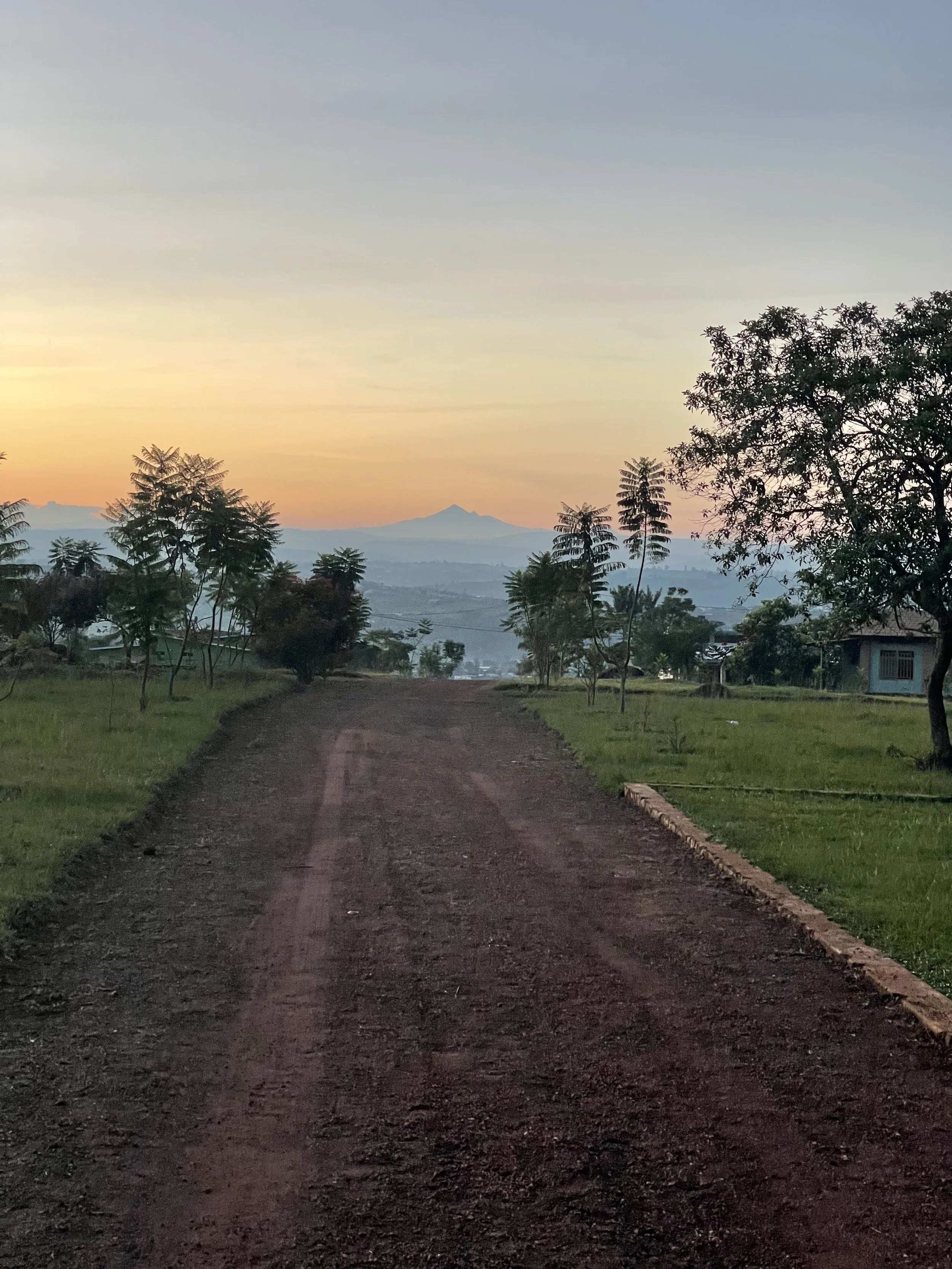
Nibakure Community Village is located in Cyeru Village, Kanazi Cell, Nyamata Sector, Bugesera District, Rwanda.
Welcome to Rwanda!
Known as the land of a thousand hills, Rwanda’s stunning scenery and warm, friendly people offer unique experiences in one of the most remarkable countries in the world. It is blessed with extraordinary biodiversity, with incredible wildlife living throughout its volcanoes, montane rainforest and sweeping plains.
Who we serve:
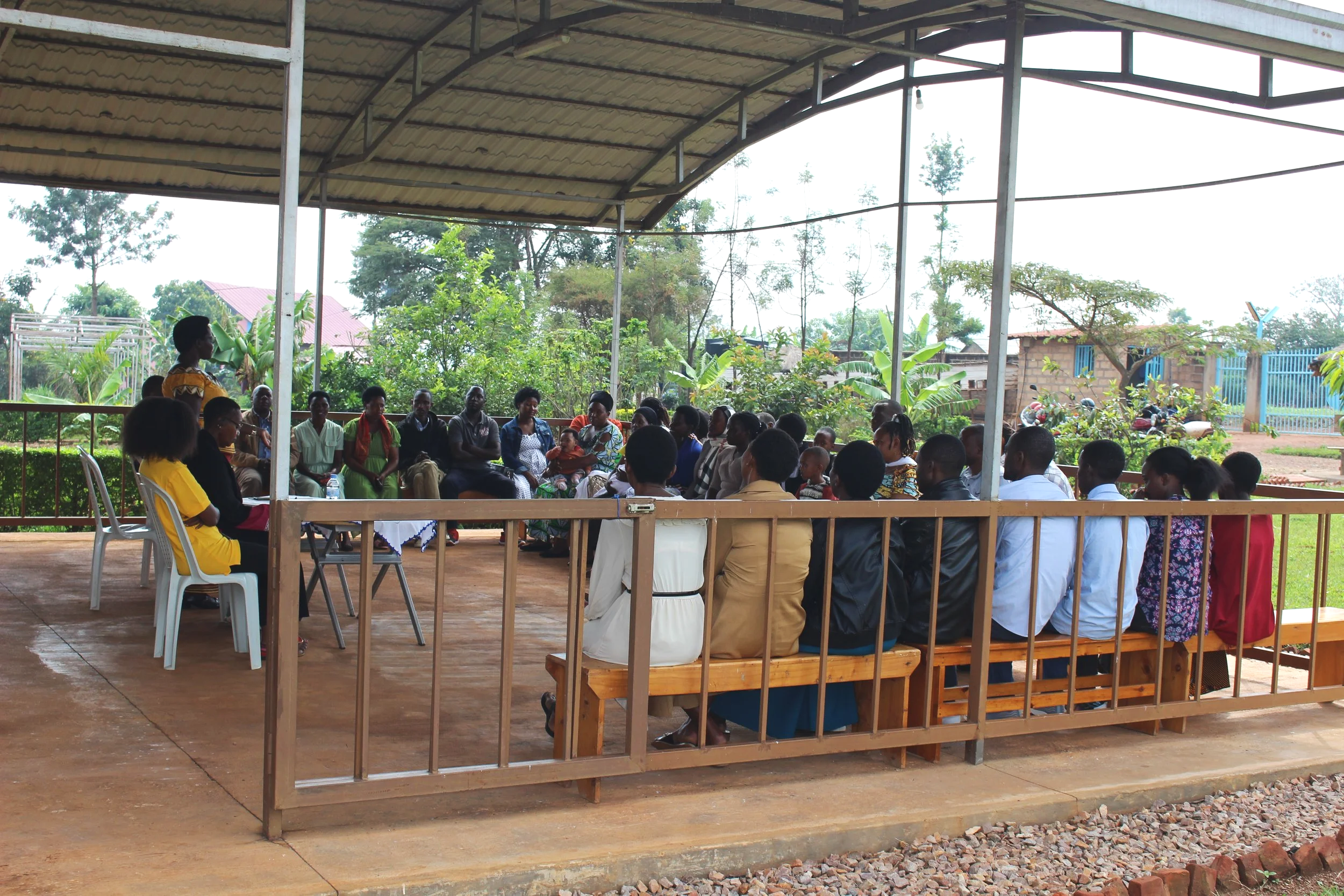
Cyeru Village is made of about 400 families, with an average of 3 children per family. The number of adult residents is estimated to be near 1,100 people. The main source of income is subsistence farming, where families grow just enough food like maize and cassava to feed themselves. There is limited local access to education, especially after primary school.
Community Strengths:
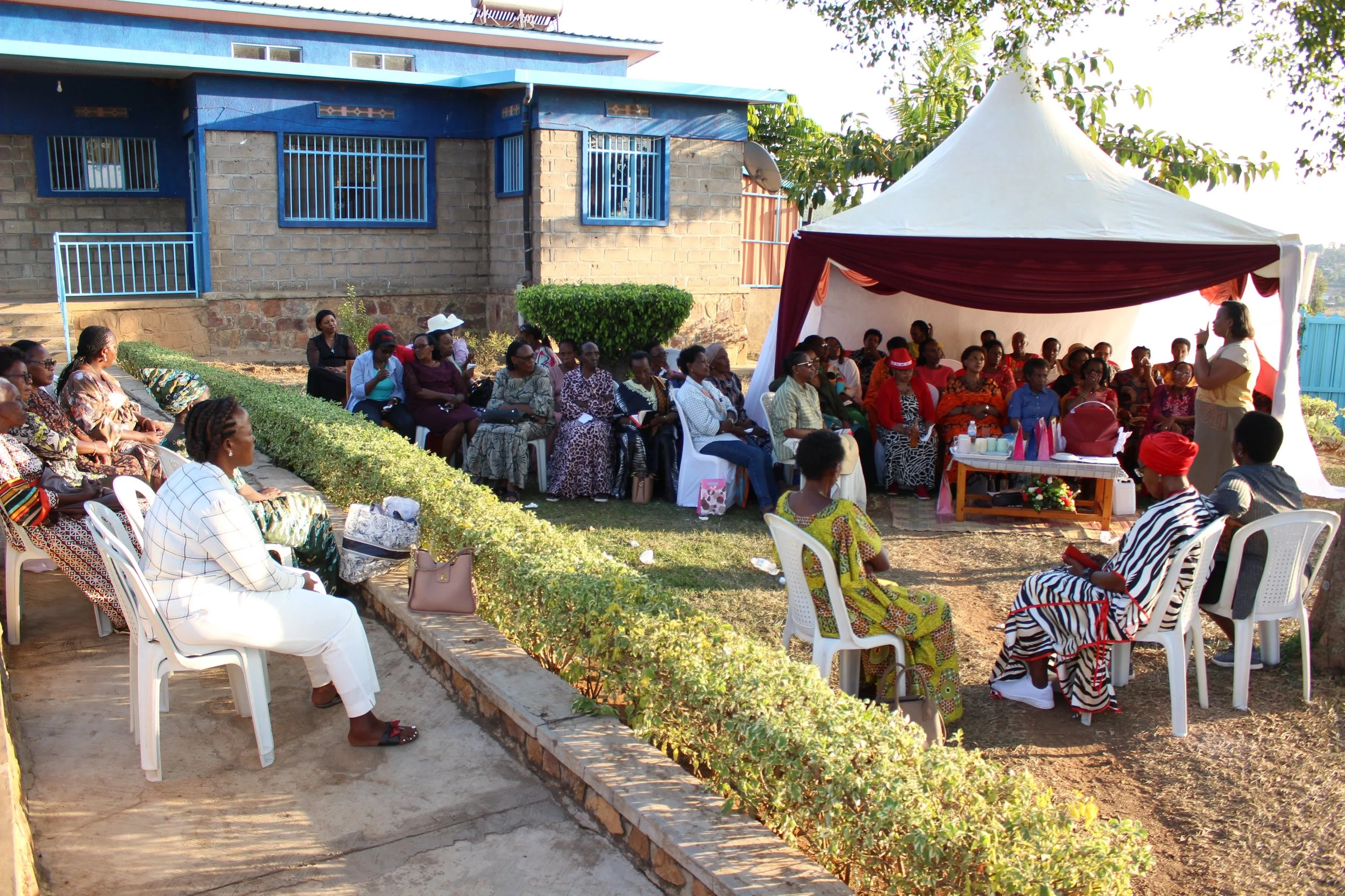
The community is strong in subsistence farming. It has a Savings and Internal Lending Community (SILC) administered by village elders that can provide micro-loans for small business development. There is good community support for its residents. The community is also hardworking, accountable and committed.
Community Challenges
Limited Access to Education
Much of the Cyeru population is illiterate because there are not enough schools in the area, especially beyond primary school. Those that exist are beyond the means of the people we serve.
NCV is building capacity to help fill this need by offering a local, low-cost educational option which continues to grow with our students. We offer three levels of preschool and are thrilled to welcome our first primary school class in Fall of 2026.
Limited Access to Healthcare
The nearest healthcare facility is a one-hour walk away (the primary means of transportation for most of our community). Public health education is needed to address issues relevant to the community such as stunting, malaria, headaches, flu, cold and reproductive health.
NCV is in the planning stages of adding a local Health Post to our campus. This would provide our community with local access to healthcare and connect them to the district hospital.
Limited Economic Activity
Most of our neighbors are subsistence farmers, growing just enough to feed their families and remaining trapped in cycles of poverty.
NCV seeks to break this cycle and lift up our neighbors by offering Vocational Training in subjects such as sewing and co-op management.
We also teach sustainable agriculture techniques, to improve food production while preserving the natural resources of Rwanda.